
Written by Dra Rocio Vargas
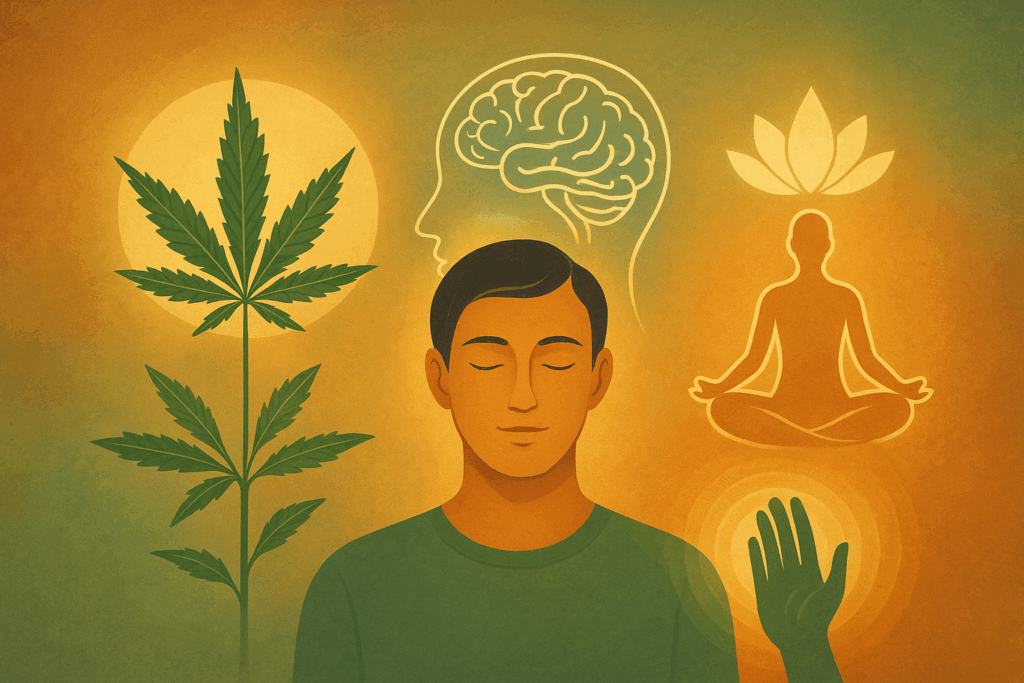
Healing goes beyond reducing pain or managing symptoms. Many people are now searching for care that acknowledges the connection between the body, the mind, and the spirit. Medical cannabis is part of this new approach when it is used carefully and ethically. Rather than being viewed as a quick fix, cannabis can become a supportive tool inside a larger plan that brings together science, self-awareness, and spiritual practices.
What Integral Health Really Means
Integral health is about seeing a person as more than their diagnosis. It includes the physical, emotional, social, and spiritual sides of life. In this model, science and spirituality are not in conflict. Instead, they work together. Medicine helps regulate the body, while practices like mindfulness and energy-based therapies help people reconnect with meaning and resilience.
Some of the approaches often included in integral health are:
- Mindfulness to calm the nervous system and improve awareness.
- Bioneuroemoción to explore emotional patterns that may influence illness.
- Sanación cuántica to bring attention to presence and intention.
- Sonopunctura or sound therapy to restore balance through vibration.
When combined with medical cannabis, these practices can create a more complete path toward healing.
The Endocannabinoid System Explained
Behind medical cannabis is a very real biological framework known as the endocannabinoid system. This network of receptors and chemical messengers exists throughout the brain, immune system, and organs. Its role is to maintain balance in processes like pain, mood, appetite, and sleep.
Cannabis interacts with this system through compounds such as THC and CBD. THC may help with pain relief and appetite, while CBD is known for reducing anxiety and inflammation. The effect often depends on the balance between cannabinoids, terpenes, and the method of use, whether oils, tinctures, or topicals.
Understanding this science helps explain why cannabis can be useful for many chronic conditions. At the same time, it shows the importance of medical supervision and proper dosing.
Spirit and Intention in Practice
Science tells part of the story, but intention shapes the experience. Many people find greater benefit when they pair cannabis with a ritual of presence. This can be as simple as taking a few deep breaths before using medicine, setting a personal goal for the session, or writing reflections in a journal.
These practices help guide the mind away from fear or distraction and toward healing. Rather than relying only on the plant, the patient becomes an active participant in their recovery.
How Cannabis Supports Other Modalities
When combined with mindfulness, cannabis can heighten awareness of the body and reduce racing thoughts. In the context of bioneuroemoción, calmer states allow people to explore the emotional meaning of illness without becoming overwhelmed. Low or balanced doses can also support practices of sanación cuántica, encouraging deeper stillness and coherence.
Sound therapy offers another area of synergy. Using cannabis in small amounts before a sonopunctura session may increase relaxation and receptivity to vibration. Practical routines might include a “sleep reset” with CBD-rich oil followed by guided meditation and calming sound.
Patient Pathway From Assessment to Integration
Working with cannabis in an integral way begins with an honest assessment. A trained professional reviews medical history, mental health, and treatment goals. Together, they design a plan that considers cannabinoid ratios, methods of use, and timing.
Dosing is usually approached with the phrase “start low and go slow.” Patients track their response in a journal that notes dosage, symptoms, mood, and personal insights. Weekly reflection helps refine the plan and ensures safety. Follow-up visits are key for adjusting treatment as needed.
Safety and Ethics
Using cannabis responsibly means more than buying a product. It requires awareness of safety guidelines, possible medication interactions, and the importance of regulated sources. Legal dispensaries provide lab-tested products that reduce the risk of contamination. This is especially relevant for readers who ask “is weed legal in Colombia,” since the answer depends on medical context and regulation. Patients should always confirm that they are accessing cannabis through approved medical channels.
In addition, cannabis should never replace professional care for serious health conditions. It is a complement, not a cure. Ethical practice requires informed consent, realistic expectations, and clear boundaries.
Overcoming Stigma and Misunderstandings
For many years, cannabis carried heavy stigma. Some people still believe it is only linked to recreation or addiction. Others assume it can solve every health problem. The truth is more balanced. Cannabis can be powerful, but it is not risk-free, and it works best when guided by science, mindfulness, and supportive relationships.
Conclusion
Integral health invites us to see medicine as part of a larger story. Medical cannabis, when combined with mindfulness, emotional work, and spiritual practices, can support the body in finding balance while also opening doors to inner growth. The journey is not about chasing a cure, but about reconnecting with the deeper wholeness that already exists within.
If you are ready to begin therapy or adjust your cannabis treatment in Colombia, booking an appointment is the simplest and safest step you can take. You can contact me, Dr. Rocio Vargas. I am a physician specialized in medical cannabis treatments; I will be happy to guide you with professional and personalized care. Schedule a consultation


